


Museu Olimpic i de l'Esport Joan Antoni Samaranch
Municipalities
The Joan Antoni Samaranch Olympic and Sports Museum is located in the heart of Montjuïc, an iconic Barcelona landmark that exudes sport and achievement. This space invites you to immerse yourself in the Olympic world and relive key moments in the city's sporting history, especially that magical summer of 1992 that marked a turning point.
The Museum impresses from the very first moment with its broad, modern approach to sport in all its forms. Thanks to the most innovative technologies and interactive multimedia spaces, the visit becomes an immersive adventure where every corner invites you to play, experiment, and be thrilled.
Here, you don't just watch: you can run alongside Usain Bolt, swim like Michael Phelps, pedal to feel the force of air resistance, or try to lift the weights that weightlifting champions move. It's much more than a museum: it's a first-person sports experience.
Tribute to the history of sport
This space also pays tribute to the great names and moments that have left their mark on the history of sport and the Olympics. Among them, Juan Antonio Samaranch stands out. He presided over the International Olympic Committee for more than two decades and played a key role in the international projection of the Games.
The visit invites us to take a journey through the memory of the Olympic and Paralympic Games, appreciating the spirit of achievement, respect, and camaraderie that the Olympic movement represents.
Beyond major events and iconic figures, the museum also gives voice to what is often overlooked: grassroots sport, the fight for gender equality, the inclusion of all without exception, and the close connection between sport and society. A committed perspective that reminds us that sport is, above all, a tool for transformation and cohesion.
Featured spaces and exhibitions
The tour of the museum takes you through spaces as diverse as they are fascinating:
- An interactive area where you can test yourself with simulators that will allow you to experience the sport firsthand.
- The Samaranch Space, which captures the career and legacy of a key figure in understanding modern Olympism.
- The permanent exhibition dedicated to the Barcelona '92 Olympic Games, featuring original artifacts, period images, and an emotional journey to one of the city's most special moments.
- Temporary exhibitions that change frequently offer new perspectives on today's sport, its protagonists, and the values that make it so essential to society.
More than a museum
The Olympic and Sports Museum isn't just for visiting; it's also a living, educational space. You'll find school activities designed for all ages, with workshops, guided tours, and educational resources that help convey the values of sport in a fun and engaging way.
It also has an auditorium, several function rooms, and a cafeteria with spectacular views of Barcelona, making it a perfect place to host cultural or institutional events, or simply to take a relaxing break.
Privileged location
Next to the Olympic Stadium and the heart of the Olympic Ring, the museum is located in a setting steeped in symbolism and emotion. It's part of one of Barcelona's most visited cultural epicenters and a must-see for anyone who loves sports or wants to relive the magic of the 1992 Olympic Games.
Nearby routes
After the Nova Planta laws
Barcelona, Girona, Lleida, Solsona, Tarragona, Tortosa, Vic
After a war there are always catastrophic: people killed, injured, destruction of buildings, etc. But we should not consider only tangible harm. Also keep in mind all that is not seen, but felt that over the years the catastrophe left clear…
Following the work of Puig i Cadafalch along the coast
Argentona, Barcelona, Canet de Mar, El Prat de Llobregat, Lloret de Mar, Mataró, Viladecans
The cultural movement of modernism made ??his mark in Catalonia and, unlike other artistic movements, presented a special dimension since spread throughout Catalonia and not just in big cities. At the time that was experienced and spread this…
Trying the 1714 food
Barcelona, Cardona, Cervera, Els Prats de Rei, La Seu d'Urgell, Lleida, Manresa, Moià, Sant Boi de Llobregat, Talamanca, Vic
The 1714 was a year that marked the Catalan region: culture, traditions, people and also gastronomy. This was important because it was the fuel that gave strength to the fighters of the battles. It gave them strength or weakened, the carrying…
Charming corners of Barcelona
Barcelona
Barcelona is presented to the traveler as a Mediterranean, multicultural and cosmopolitan city with an impressive historical and cultural heritage. Not in vain, every year it receives more than seven million tourists, making it one of the most…
Route of Catalan art in the 18th century
Arenys de Mar, Barcelona, Les Masies de Voltregà, Mataró, Sant Celoni
Since ancient times, know different ways of living, as well as ways to express and experience the artistic reactions of people. We can travel to the cave, where different types of pigments used to recall the hunt they had done that day or we…
May 18: International Museum Day in Barcelona
Barcelona, Cornellà de Llobregat
This time a very different route, a route that you will do yourself according to your interest! As you already know, May 18 is International Museum Day (organized by ICOM), which is why different activities are carried out (workshops, guided…
Events
Chestnut tree and Halloween in Lliçà d'Amunt
From 31 October to 1 November'La Moguda Gastronòmica' in Santa Perpètua de Mogoda
From 9 October to 8 NovemberAutumn of Cooking and Mushrooms in Terrassa
From 30 October to 22 NovemberPanoràmic Festival in Granollers, Barcelona, Terrassa and Vic
From 15 October to 27 DecemberFestival 42 - Barcelona Fantasy Festival
From 4 to 8 NovemberMost, International Wine Film Festival in Penedès and Priorat
From 5 to 15 NovemberMIRA Digital Arts Festival
From 6 to 7 November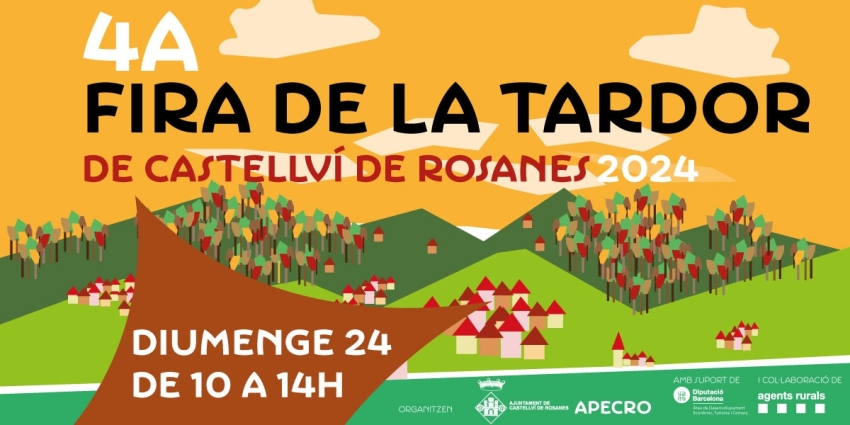
News
Iron architecture: the light and steam of industrial Catalonia
In the 19th century, the Industrial Revolution not only changed the way people worked and lived, but also profoundly transformed architecture. The arrival of new materials, such as cast iron, wrought iron, and glass, opened up possibilities…
Gothic Architecture: The light and height of medieval Catalonia
Gothic architecture marks a turning point in the history of Catalonia. It was the style that transformed cities, places of worship, and the way people built collectively. A style that changed not only the stone itself, but also the way people…








 Sustainable turism
 Biosphere